A hospital website matters a great deal today. An effective website is vital for communicating with patients and delivering healthcare services efficiently. To succeed, a hospital website needs a set of core elements that make it easy to use and give visitors an ideal user experience. In this article, we’ll go through those elements in detail.
The Core Elements of a Successful Hospital Website
The key elements every hospital website should include are:
- An attractive, easy-to-use user interface.
- Informative, trustworthy content.
- Search engine optimization (SEO).
- Online appointment booking.
- Security and privacy.
- Multilingual support.
- Interactive communication tools.
- Social media integration.
- Ratings and reviews.
- Regular updates and maintenance.
An attractive, easy-to-use user interface
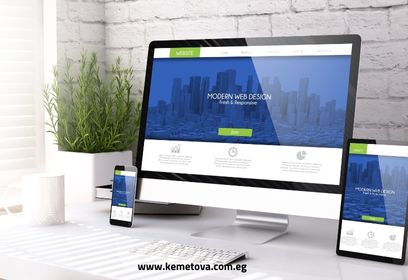
User interface design plays a big role in the success of any website. The design should be attractive and simple, so visitors can move around the site and find the information they need without effort. User experience on a website includes elements such as:
- Easy navigation, with a clear main menu that holds the site’s key links.
- Fast response: make sure the site works quickly on every device, including smartphones and tablets.
- Comfortable visual design, with consistent colors and clear fonts that make content easy to read.
The site also needs a responsive design that adapts to every screen size. This gives users a better experience whether they browse on a computer or a smartphone.
Informative, trustworthy content
A hospital website should give complete, detailed information about the medical services available, including the different departments, specialties and medical equipment. For example:
- Service descriptions: a full explanation of every medical service and specialty.
- The medical team: a profile of every doctor, including their qualifications and experience.
- Contact information: contact details for each department, to make booking appointments easy.
A health blog with articles on common health topics people search for online can also strengthen the hospital’s reputation as a source of health information. The blog can cover topics such as:
- Health tips, such as disease prevention and general health guidance.
- Awareness articles about chronic conditions and how to manage them.
- Hospital news, such as updates on the hospital’s medical activities and events.
Search engine optimization (SEO)

A hospital website needs to be optimized for search engines. You can improve its SEO by using keywords related to medicine, which helps the site appear at the top of search results. These keywords should include:
- Medical specialties, such as pediatrics, orthopedic surgery, heart surgery and other specialties.
- Specific services, such as cancer treatment and MRI scans.
- Location, for example “hospital in [city name]”.
Internal links make it easier to move around the site, for example by linking doctors’ pages to service pages. External links to trusted sources, such as reputable medical studies or government health websites, make the site more credible. Read more about why hospital website design matters.
Online appointment booking

An online appointment system on a hospital website does a lot to improve the patient experience by providing:
- A simple interface that lets patients book appointments easily.
- Reminder notifications, so patients don’t forget their appointments.
- Real-time availability, showing which doctors are available and which slots are open.
Connecting an electronic medical records system can also make care more efficient, with:
- Fast access to records, so doctors can find medical records easily.
- Record sharing, so records can be shared with specialists when necessary.
Security and privacy on a hospital website
A hospital website should meet the highest security standards to protect sensitive patient data. Security measures include:
- Data encryption, using encryption protocols to protect data in transit.
- Firewalls, to prevent unauthorized access.
Along with a security policy, you need a clear privacy policy so patients know how their data is handled. It should explain:
- How data is collected and used.
- Patients’ rights to access and correct their data.
Multilingual support on a hospital website
Offering the website in several languages helps a hospital serve a wider range of patients. This should include:
- Accurate, complete translations of the content.
- An easy way to switch languages.
Interactive communication tools
Offering customer service through live chat can improve the patient experience with:
- Instant answers to patients’ questions.
- Technical support, giving users immediate help if they run into technical problems while browsing.
You can also add a contact form so patients can easily send questions and feedback. The form should have:
- Clear fields, such as name, email and message.
- A quick response: make sure questions are answered as soon as possible.
Social media integration
Linking the hospital website to the hospital’s social media pages builds a strong social presence and increases engagement with your audience by:
- Sharing news and updates quickly.
- Engaging directly with your audience and replying to their comments and questions.
You can also create engaging content, such as awareness videos and live health sessions, which increases audience engagement with the hospital over the long term.
Ratings and reviews
Encouraging patients to leave ratings and reviews can do a lot to improve the hospital’s services. Ways to do this include:
- Rating forms on the website.
- Satisfaction surveys sent to patients after their visit, to collect their opinions.
Analyzing patient feedback and reviews helps improve the quality of medical services and meet patients’ needs better.
Regular updates and maintenance
Keep the hospital website updated regularly with new information and services. Updates can include:
- Adding news, and keeping news and events up to date on the site.
- Reviewing and updating medical information and services regularly.
The site also needs regular technical maintenance so it keeps running smoothly without technical problems. Technical maintenance includes:
- Performance testing, to make sure the site responds quickly.
- Fixing bugs and any technical problems that appear over time.
These are the core elements of a successful hospital website. Paying attention to them gives users a better experience and builds patients’ trust in the hospital. By focusing on an attractive interface, trustworthy content, SEO and interactive services, a hospital can achieve real, lasting success online.
If you have any questions about our website design services, get in touch, and a member of the Kemetova team will get back to you. Kemetova also offers other services, such as web hosting and easy domain registration in Egyptian pounds.