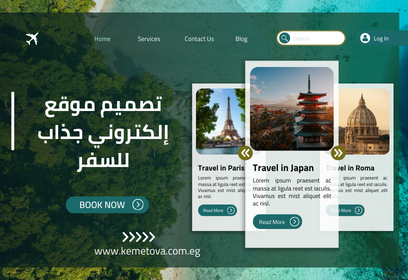
Do you want a travel website that attracts visitors from all over the world?
An attractive travel website is more than an arrangement of information and photos; it’s a digital storefront that gives visitors a taste of the trip itself. A successful travel site should look great, be easy to use and offer inspiring content that encourages users to engage and book their trips through it. In this article, we’ll look at the best standards for designing a travel website that attracts visitors and succeeds as a business over the long term.
The Best Standards for an Attractive Travel Website
Designing an attractive travel website takes a set of standards:
- Visual design and visual appeal.
- Usability and user experience.
- Inspiring, engaging content.
- Search engine optimization (SEO).
- Booking and payment features.
- Engaging and communicating with customers.
- Measuring and improving performance continuously.
1. Visual design and visual appeal

Visual design is the first thing visitors notice when they arrive on your site, so it should reflect the beauty and sense of adventure that travel is all about. High-quality photos and colorful visuals of different destinations are essential for sparking users’ curiosity and excitement.
Best practices for visual design on travel websites:
- Use high-quality photos of landscapes, landmarks and luxury hotels. Images should be high quality to make a strong visual impact.
- Keep colors consistent: the colors you use should match your brand identity and reflect the travel theme. For example, bright colors suit beach destinations, while darker colors may suit mountain destinations.
- Use white space to avoid visual clutter. Use it cleverly to divide content and make the site easy to browse.
2. Usability and user experience
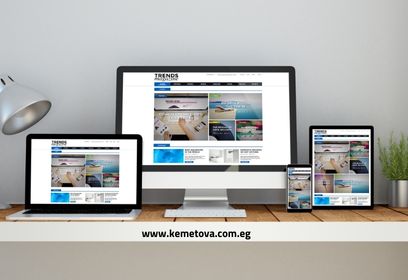
Today, so many people use mobile devices for everything that your site has to be responsive on different devices, fitting smartphone and tablet screens. Responsive design makes sure every part of the site works well and looks great whatever the screen size.
For easy navigation, design smooth menus that let users move easily between pages. Drop-down menus and a logical navigation system help visitors and users find what they’re looking for quickly.
An effective search tool on the site also lets users find the information they need without a long search. Read more about why user experience on websites matters.
3. Engaging, inspiring content
On travel websites, content should be written in an inspiring style that draws readers in and encourages them to engage with the site, whether that means booking a trip or reading more articles.
The main types of content for an attractive travel website:
Reviews, testimonials and opinions: showing plenty of past customers’ experiences builds new visitors’ trust and encourages them to book through the site.
Detailed destination descriptions: accurate, complete information about each destination, including landmarks, activities and climate.
Blog content: articles about personal travel experiences, travel tips and travel news, which can encourage users to share your content on their social media accounts.
4. Search engine optimization (SEO)

SEO is essential for getting travel websites to the top of search results, which brings more visitors to the site.
Optimizing the technical side of the site, along with the quality of your written content, helps you rank higher in search engines such as Google and Bing.
Best SEO practices for an attractive travel website:
- Choose the right keywords for travel destinations and use them throughout your content, which helps attract the visitors you want.
- Use internal links to connect your site’s pages to each other, and external links to point to trusted sources, which builds the site’s credibility over time.
- Improve your site’s speed and performance, because slow sites hurt the user experience, and that affects where the site ranks in search engines.
5. Booking and payment features

Booking is one of the most important parts of an attractive travel website. The booking and payment system should be easy to use and as fast as possible, because an overly complicated booking process can make users and visitors leave without completing their bookings.
A booking and payment system also needs:
- Secure payments: the site should use highly secure payment systems to protect users’ financial data.
- Multiple payment options: offering several ways to pay makes the site easier to use and attracts a wider range of customers.
6. Engaging and communicating with customers
Effective communication builds a strong relationship with visitors, which helps turn them into real, loyal customers. A travel website should include tools for communication, such as:
- Live chat, to answer visitors’ questions quickly.
- A simple, effective contact form visitors can use to reach the support team.
- Links from your travel website to your social media pages, which increase engagement with your content and encourage visitors to share their experiences.
7. Measure performance continuously
After launching the site, measure its performance regularly so you can keep improving it when needed. Analytics tools such as Google Analytics let you analyze:
- Traffic: track the number of visitors, bounce rate and most-visited pages, all of which give you useful ideas for improving the site.
- User behavior: understand how users interact with the site, so you can make the changes needed to improve the user experience.
Designing an attractive travel website means paying attention to several standards, from visual design and user experience to SEO and booking features. Sites that combine these elements in a consistent, effective way attract more visitors and can turn them into loyal customers over time, which contributes greatly to the business’s success.
By following these standards and improving your site continuously, any travel website can stand out in the competitive travel market. If you have questions about website design, web hosting or domain registration, get in touch, and a member of the Kemetova team will get back to you.