
Have you ever thought about building your own online store to sell your products, but you don’t have any coding experience? Don’t worry, you’re in the right place.
Modern technology has changed everything in our lives, from how we communicate to how we shop. As life gets faster and more complicated, offering an easy, convenient way for everyone to shop has become essential, and that’s where online stores come in, opening up a whole new world of opportunities.
Whether you’re thinking about launching a new business or improving your current store, knowing how to build and design a website to sell products will have a big impact on your success. So get ready to step into the world of online stores and explore the key steps to building and running a successful one.
By giving customers a smooth, convenient shopping experience and using modern marketing strategies, a website to sell products can be the secret weapon that drives your success and increases your profits.
Keep reading to learn more about this fast-changing world, how you can use it to reach your goals and succeed in ecommerce, and how to build a successful online store that fits your vision and ambitions.
In this article, we’ll cover:
- What an online store, or website to sell products, is.
- What you need to know before designing a website to sell products.
- The pros and cons of an online store.
What Is an Online Store, or Website to Sell Products?
An online store is a website or digital platform that helps individuals and companies display and sell their products and services online. It’s the business’s digital storefront, where consumers can browse and compare all the products and complete purchases easily.
With an online store, your business gets a strong online presence that improves its chances of spreading and growing. Here you can learn what a website is and why it matters for your business’s online presence.
Online stores are usually built on dedicated ecommerce platforms such as Shopify, Magento or WooCommerce, which also offer many themes and tools for customizing and managing stores efficiently.
An online store’s features usually include:
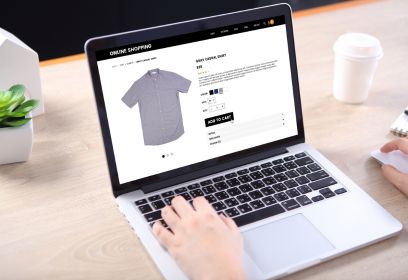
- Product display: an online store gives you space to show the products and services available to buy, along with images, descriptions, specifications and reviews that help customers decide.
- Search and filtering: a website to sell products lets consumers search for specific products by keyword, with filters for narrowing products by price, brand and other features.
- Cart and checkout: an online store lets consumers add products to their cart, then complete the purchase through a secure checkout, with different payment options such as credit cards, online payment methods and more.
- Order and shipping management: business owners can manage orders and shipping through the online store, track order status, manage shipments and give consumers tracking information, all of which is part of designing a website to sell products.
- Customer service: an online store gives consumers ways to contact the customer service team for answers and support.
In short, a website to sell products is simply a digital commerce platform that lets individuals and companies sell products and services online, and gives consumers a convenient, flexible shopping experience.
What You Need to Know Before Designing a Website to Sell Products
Before you start designing a website to sell products, it’s important to know a few basics that set your business up for success from the start. If you plan to build an online store with a specialist company or a freelance designer, there are several things to know and consider first to get the best results:
Products and inventory
Decide which types of products you want to sell in your online store and make sure you have them in stock. You may also need an inventory management system to track products and quantities.
Defining your target audience

Define who your online store is aimed at and learn their needs and preferences. This will help you create the right shopping experience and offer the right products and content. Here’s how to do target audience analysis effectively.
Your store’s payment system
Choose the payment methods you want to offer customers, ones that make checkout easy. Today, a wide range of payment methods is available when you design a website to sell products, including credit and debit cards, bank transfers and digital wallets such as PayPal . Make sure payments are secure and customer data is protected.
Your online store’s design
When designing a website to sell products, your store’s designer needs to use a responsive design that adapts to different screen sizes and devices. The design should match your brand identity and offer a smooth, appealing shopping experience.
User experience (UX)
When designing a website to sell products, the interface should be easy to use and make shopping simple and enjoyable. Organize products into clear categories and sections, and make searching, browsing and buying easy and intuitive.
Shipping and delivery
Decide how you’ll handle shipping and delivery. Look for reliable shipping companies and set shipping costs and expected delivery times. You may also need a system for tracking shipments and giving customers tracking information.
Safety and security
Pay close attention to your online store’s security and to protecting customer data. Use HTTPS to encrypt data, and keep your software and security up to date to prevent breaches.
Customer service
Decide how you’ll interact with customers and support them when they need it. Support options can include email, live chat and phone.
Choosing an ecommerce platform
There are many ecommerce platforms available, such as Shopify , WooCommerce and Magento. Research the options and choose the platform that fits your needs in cost, flexibility and features.
Keeping it easy to update and run
When designing a website to sell products, make sure it lets you manage and update content easily. You should also have a powerful, easy-to-use admin area for managing products, orders and customers.
Mobile responsiveness

Your online store has to work well on mobile devices, because more and more people shop on smartphones and tablets. Make sure your store’s design adapts automatically to phone screens and gives users a comfortable experience.
Digital marketing strategy
Don’t forget to think about how you’ll attract customers to your online store and grow it. Build a complete digital marketing strategy that includes social media, digital ads, search engine optimization (SEO) and email marketing.
Site analytics
Finally, when designing a website to sell products, decide how you’ll measure and evaluate your store’s performance. For example, you can use analytics tools such as Google Analytics to track traffic, customer behavior and conversion rates. This data will help you understand and improve your store’s performance.
These are some of the key points to consider before designing your online store. Plan carefully and do plenty of research before you start designing a website to sell products, to give customers a successful shopping experience and set your business up for long-term success.
The Pros and Cons of an Online Store
Building a website to sell products gives you many important advantages, but it also has some drawbacks to watch for. Here are the most common pros and cons of online stores, so you can see the full picture and make the right decision before starting your business.
The advantages of a website to sell products
A website to sell products has several advantages, the most important being:
1. Reaching a global audience: online stores let you reach customers anywhere in the world, which widens your business’s reach and increases your chances of growth and sales.
2. Lower costs: an online store costs much less than a traditional one, because you don’t need to rent retail space or hire as many staff. An online store can also run around the clock without staff always being present.
3. A convenient shopping experience: an online store lets customers search for and buy products from home or anywhere else, on their smart devices.
4. Easy to expand and update: online stores can add products and update content easily, without changing the store’s core structure.
5. Accurate analytics and information: an online store gives you detailed data and analytics on customer behavior, conversion rates and more, which helps you make strategic business decisions and improve performance.
Here’s a guide that explains the benefits of ecommerce in more detail.
The disadvantages of a website to sell products
Online stores have many advantages, but they also have several drawbacks:
- The need for digital marketing: to reach new customers, an online store needs effective digital marketing strategies such as paid advertising, search engine optimization and social media.
- Security and trust: pay close attention to this point, because some customers may worry about the security of online transactions and the protection of their personal data. Put strong security measures in place and make your privacy and security policies clear to customers.
- No in-person experience: in an online store, customers miss the personal experience a traditional store can offer, such as handling products before buying or getting advice directly from staff.
- Shipping and delivery issues: online stores can face shipping and delivery challenges, such as late deliveries or packages lost in transit, so offer reliable, efficient shipping to keep customers satisfied.
- Heavy competition: there are many online stores in every field, which increases competition. New stores may find it hard to enter the market and win a share of customers, especially in saturated markets.
- Winning customers back: it can be hard for online stores to build an ongoing relationship with customers and encourage them to buy again, so offer excellent service and a satisfying customer experience to keep their loyalty.
These are some of the common pros and cons of online stores. If you own a business, weigh these factors and make a clear decision about building and designing a website to sell products.
In the end, a website to sell products has become a key part of ecommerce, not only as a way to sell but as a platform that builds trust, widens your reach and opens new doors for growth.
But before you start designing your online store, it’s important to understand the basics clearly and be aware of the pros and cons you may face, so you build your business on strong foundations that keep it going and growing.
Remember that success in ecommerce doesn’t depend only on what you sell, but on how you present your products on your site. An appealing design, easy browsing, fast performance, security and a great user experience are what separate an ordinary online store from a successful one with steady sales and lasting customer trust.
Here you can find full details on how much an online store costs, and define your store’s requirements easily.
Ready to turn your idea into a successful online store? At Kemetova, we offer complete solutions for building and designing professional, high-quality websites, with fast, secure hosting on top global servers. We can also help you buy a distinctive domain that reflects your brand identity and gives your business a strong online presence.
Start your digital journey today with Kemetova, and let us design a website worthy of your brand.