Understanding color psychology is important when designing websites. Why? Web design is a dynamic field focused on improving the user experience (UX) and catching visitors’ attention to reach your goals, whether that’s more engagement or encouraging visitors to take a specific action.
Color psychology is one of the most important tools designers use to reach these goals. It looks at how colors affect users’ feelings and behavior.
In this article, we’ll look at why color psychology matters in web design, and how to use it effectively to improve your website’s performance.
What Is Color Psychology, and How Does It Affect Web Design?
Color psychology is the study of how colors affect users’ mood and behavior. Each color has its own effect: some colors feel calm and trustworthy, while others create excitement or a sense of caution.
In web design, using color strategically is one of the most important factors in creating an attractive, effective user experience. But how?
Color can help you:
Build your brand identity: colors leave users with an impression that fits your brand’s personality.
Encourage engagement: colors affect visitors’ and users’ decisions and push them to take a specific action, such as buying or signing up.
Direct users’ attention: use attention-grabbing colors for specific elements on your site, such as buttons and links.
Why Color Psychology Matters for the User Experience
Colors play a key role in shaping the user experience. A consistent color scheme can encourage visitors or users to stay on your site and explore more content, and some research shows that using color well can increase brand recognition by about 80%.
Here’s how color psychology helps improve the user experience (UX):
- Choosing consistent, contrasting colors makes your content much easier to read and reduces eye strain.
- Using clearly contrasting colors helps guide users and visitors between your pages and makes navigating your site smooth and simple.
- Using colors that fit your brand’s personality makes your site more credible and helps build trust with visitors.
When you use clear colors that are consistent with your brand, visitors can recognize your site’s identity easily, which strengthens their connection with your site and makes them more likely to come back.
How Different Colors Affect Visitors’ Feelings
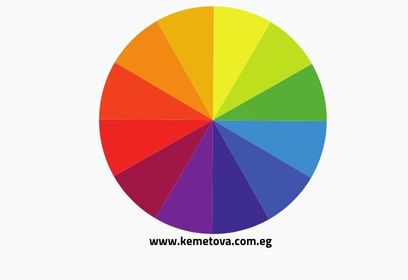
Colors trigger different psychological responses in users. Here’s an overview of the effects of common colors in web design:
- Blue: blue suggests trust and professionalism, which is why it’s widely used on bank and financial company websites. Blue creates a sense of stability and security and increases engagement with your content.
- Red: red grabs users’ attention strongly and symbolizes energy and excitement. It’s widely used on business websites to encourage users and visitors to make quick decisions, such as buying or clicking a sign-up button.
- Green: green is a calm color associated with nature and health, so it often appears on websites for natural products. It creates a sense of comfort and positivity.
- Yellow: yellow suggests optimism and energy, but use it carefully to avoid visual strain, especially in sections with long text.
- Black: black stands for elegance and luxury. It’s used widely on fashion and luxury brand websites, where it gives a professional feel and strengthens the brand’s identity.
- Neutral colors such as gray and white help create visual balance and let visitors focus on the key elements of your website without distraction.
Read also: what visual content is, and why it matters for your search rankings.
A Guide to Using Color Psychology Effectively in Web Design
Here are some practical strategies for using color psychology effectively in web design:
Choose a consistent color palette. This is an important step in building your website’s visual identity. You can use color tools to find a balanced palette, such as the ColorPick Eyedropper extension or the Color Hunt website.
Use color contrast correctly. Contrast plays a big role in making your content easy to read and guiding visitors to key elements. Your text colors should stand out clearly from the background, and interactive elements such as buttons should have strong contrast.
Use distinctive colors for buttons and interactive links, to encourage visitors and users to take the action you want.
Run A/B tests regularly after choosing your colors. You can test two versions of your site with different colors to see which attracts visitors and gets more engagement, which helps you choose the best colors for the user experience.
Read also: why voice search matters for attracting visitors to your site.
Common Color Psychology Mistakes and How to Avoid Them
Using color psychology the wrong way can backfire and hurt the user experience. Here are some common mistakes and how to avoid them:
- Weak contrast between text and background makes content hard to read, so choose clear, contrasting colors that keep your content legible.
- Using lots of colors at random hurts your site’s look. It’s better to choose a set of main colors and use them consistently.
- Relying on color alone to guide users and prompt actions means some users may not be able to use your site effectively.
- Skipping color testing on different devices: colors can look different from screen to screen, so test your website on several devices to make sure the colors work.
Understanding color psychology is essential in web design. Colors shape users’ impressions and help your website reach its goals. By understanding the psychological effect of colors and choosing colors that fit your site’s identity and target audience, you can create a complete, attractive visual experience.
By following effective strategies for using color, you can turn your website into an attractive, trustworthy platform that increases user engagement and reaches your goals.
If you want a website for your business, Kemetova offers high-quality website design services, as well as web hosting and domain registration for your site. Get in touch with the Kemetova team with any questions.