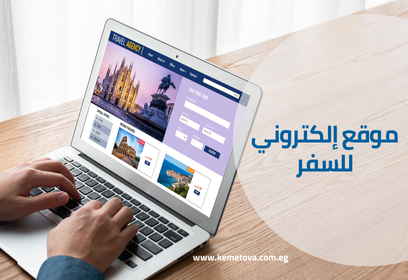
Do you dream of building a travel website that becomes the first stop for travelers around the world? In the crowded world of online travel, your website can stand out and get great results if it’s designed smartly and professionally. Designing a travel website can be a real challenge, but the results are worth the effort. Travel websites need to stand out with a smooth user experience, engaging content and practical tools that help users plan their trips.
How to Design a Travel Website
In this article, we’ll look at how to design a travel website that gets results, attracts visitors, keeps them engaged and turns them into loyal customers.
Let’s look at what makes a travel website succeed.
Travel website: understand your target audience

Before you start designing a travel website, you need to understand your target audience. Which travelers do you want to attract? Are they business or leisure travelers? Are they looking for luxury trips or budget ones? The answers will help you choose the right design and content.
Key steps to understanding your target audience:
- Do market research, using tools such as surveys and interviews to learn about your audience’s preferences.
- Analyze competitors: look at competing travel websites and find out what attracts visitors to them.
- Create buyer personas: fictional characters that represent your different types of visitors, to guide your design and content.
Travel website: design an attractive, easy-to-use interface
The user interface is the first thing visitors see when they arrive on your site, so it needs to be attractive and easy to use. Good design helps you keep visitors and users, and makes sure they come back.
Here are the key tips for designing an attractive user interface:
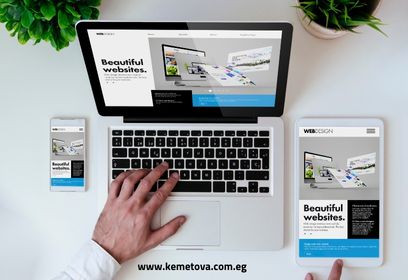
- Keep the design simple and clear: avoid clutter, and use the white space around your content. It may look like wasted space, but it plays a vital role in improving the user experience, making the site easier to navigate, and making content easier to read and focus on.
- Choose colors that are easy on the eye and consistent, and that reflect the spirit of travel and adventure.
- Make the design responsive on every screen: make sure the site works well on all devices, including smartphones and tablets, because a large share of users book on their phones.
- Use clear, visible buttons, such as “Book Now” or “Explore More”, so people can move around the site easily.
Travel website: improve your content to attract visitors
Content is one of the main things that brings visitors to your website and keeps them there, so it should always be high quality and fit visitors’ and users’ needs. Key tips for improving the content on a travel website:
- Start a travel blog, and write travel articles with tips, stories and destination ideas.
- Use high-quality photos and videos, which do a lot to attract visitors and improve their experience.
- Update your content regularly to keep visitors interested and in line with their preferences.
- Include reviews and recommendations from past travelers to build trust and credibility with new visitors.
Travel website: search engine optimization (SEO)

SEO is vital for getting a travel website into search results and attracting more organic visitors. Here are the key SEO tips for your site:
- Do keyword research with a tool such as Google Keyword Planner to find travel-related keywords.
- Write SEO-friendly content, using the keywords you found naturally in your headings and text.
- Improve speed, and make sure your site loads quickly so you don’t lose visitors.
- Use internal and external links: linking to related content on your site and to trusted external sites helps you rank higher in search results, so more users can find you.
Travel website: provide planning and booking tools
Planning and booking tools are another key part of any travel website. They need to be easy to use and highly reliable. To provide them properly, you need:
- A travel search engine, where visitors can search for flights, hotels and car rentals.
- Tools for comparing prices and services across different providers.
- Integration with global distribution systems, such as Amadeus and Sabre, for up-to-date information.
- Instant booking confirmation, so confirming a booking is immediate and smooth.
Travel website: make the most of social media
Social media plays a big role today in attracting visitors and building a strong brand. To connect social media with your website:
- Create content on your site that’s easy to share on social media platforms.
- Invest in paid ads to reach a wider audience as quickly as possible.
- Engage with your followers by replying to their comments and questions about travel.
- Work with travel influencers to promote your site and bring their audience to it.
Travel website: measure performance and keep improving
Measuring your site’s performance regularly and analyzing the data is the key to improving your travel website and getting good results over the long term. Key tips for measuring and improving performance:
- Use analytics tools. One of the most important is Google Analytics, which tracks your website traffic and how visitors and users behave.
- Analyze your conversion rate to find the strengths and weaknesses in your booking process.
- Run A/B tests, trying different versions of site elements to see what works best.
- Update the site regularly, making the changes and improvements your data and analysis point to.
In travel website design, every detail plays a vital role in giving users a great experience. Designing a travel website that gets results takes careful planning and ongoing effort. By understanding your target audience, designing an attractive interface, improving your content and SEO, providing planning and booking tools, making the most of social media, and measuring and improving performance, companies can build a site that attracts visitors and gets excellent results.
Remember that designing a travel website isn’t just a technical job. It’s an investment in attracting travelers and making your site their favorite destination, and continually improving your site is the key to staying successful and getting even better results in the future.
If you have any questions about website design and development, get in touch, and a member of the Kemetova team will get back to you.