
Why does every online business today need an effective logo that makes its brand stand out?
An effective logo is the first visual face of any brand, so it plays a big role in creating a first impression with your audience. Whether you run an online store selling products or services or a personal blog, your logo matters a great deal and is a core part of your website’s and your brand’s identity.
In this article, we’ll go through the key steps to designing an effective logo that helps your brand grow and makes a strong impression on your target audience.
Why a Professional Logo Matters for Your Visual Identity
A logo isn’t just an image or an attractive design; it’s a key element in building your brand’s visual identity. It doesn’t only identify your organization; it introduces people to your brand and creates a strong, lasting association in customers’ minds.
An effective logo represents your message and values and reflects the nature of your business. A professionally designed logo also builds customer trust and helps grow brand loyalty day by day.
An effective logo builds awareness of your brand by quickly creating a strong association with your target audience. It also gives your website and brand an attractive look, which greatly increases your credibility with visitors. Learn why web design matters, and why your business needs a website today.
Key Qualities of an Effective Logo for Your Brand
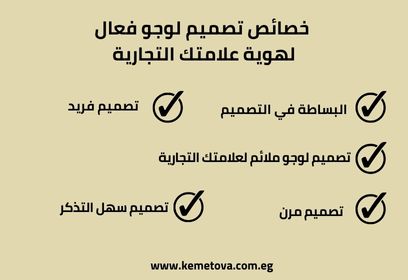
Keep a few key qualities in mind when designing a professional logo for your brand. They make your logo effective and appealing, and help it make a strong impression on your audience:
1. Simple design
A simple logo is more effective, as famous logos such as Nike’s and Apple’s show. These logos are clear and easy to remember. Simplicity also makes a logo flexible, so it works on every platform, whether a website, social media or business cards.
2. A unique design
For your brand to stand out in a crowded market, your logo has to be distinctive and unique. It shouldn’t copy or resemble any competing brand’s logo. A unique logo makes your brand stand out in the market.
3. A logo that fits your brand
A professional logo should reflect your brand’s values and your target audience. For example, if you run an online store selling sportswear, your logo should include elements that suggest energy and movement. A logo that fits your type of business has a much stronger visual and practical impact.
4. A flexible design
An effective, professional logo needs to be flexible, so it works well at every size and on every platform. Whether you use it on your website or your products, it should stay clear and attractive.
5. A memorable design
A well-designed logo makes an impression quickly and stays in customers’ minds for a long time. A memorable logo does a lot to strengthen customers’ connection with your brand over the long term.
Read also: how to use voice search to attract customers.
The Basic Steps to Designing a Professional Logo That Makes Your Brand Stand Out
An effective, professional logo isn’t just an image and some colors, as some people think; it’s a symbol that reflects your brand’s identity. Follow these steps to get a unique logo for your brand:
Research the market and your competitors
Before you start designing a logo, one of the most important things to do is thorough research into your competitors and the market your brand will compete in. Study each competitor’s logo to understand the common styles and find the elements that could make yours stand out.
Look at the colors and designs your competitors use in their logos, and who their target audience is and how they respond to those logos. Understanding these elements will help you make well-informed design decisions and make sure your logo is unique and distinctive in the market.
Choose the right colors and fonts for your brand
Colors play a big role in communicating specific messages, and they have a strong psychological effect on people’s feelings and behavior. Choose colors that fit your brand’s message and get the response you want from your target audience. Key tips for choosing the right colors:
- Define your brand’s emotions: colors express your brand’s chosen personality. For example, blue is associated with trust and professionalism, red suggests strength and energy, and green suggests growth and progress.
- Use colors in balance: use three colors or fewer, and make sure they work together, for a simple, unique and consistent design.
The right color for your brand identity depends on your type of business and the emotions you want to convey to your audience.
Along with the right colors, choose fonts that fit your brand identity. The fonts in a logo aren’t just words; they reflect your brand’s identity and help communicate its message. Key points to consider when choosing fonts:
- The fonts in your logo should be easy to read and the right size. Avoid complicated fonts that make it hard for your audience to connect with your brand.
- Use two or three fonts at most in your logo, and make sure they work well together.
- Use fonts that reflect your brand’s personality. For example, if your business offers formal or technical services, clear, simple fonts may work best. If your business is in fashion, elegant fonts may be the better choice.
Colors and fonts both play a big role in shaping how your audience sees your brand. Using them thoughtfully lets you create a professional, effective logo that grabs attention and reflects your brand’s identity.
Read also: learn about color psychology in web design.
Work with a professional graphic designer, or use design tools
If you have the budget, you can work with a professional graphic designer to create a custom logo that fits your brand’s needs. A professional designer can turn your ideas into an effective, attractive design for your brand.
If you’d rather design your logo yourself, there are free and paid tools that can help, including:
Canva, an easy-to-use design tool with a variety of ready-made logo templates you can customize, and Adobe Illustrator, professional design software that gives you full control over every detail of your design.
Test your logo on every platform
Before you finalize your logo, test it on every platform where it will appear, and make sure it looks good and clear on your brand’s website, social media accounts and printed materials alike. Your logo should stay clear and visible even at small sizes.
SEO for Your Brand’s Logo
Along with the steps above, your logo should be optimized for search engines, so it shows up well in image results and helps your website rank. To do this:
- When you upload your logo to your website, add alt text that includes your site’s name or one of your target keywords. This helps your site rank higher in search results.
- Make sure your logo file isn’t too large, because a larger file will affect your site speed and hurt your SEO. Use formats such as SVG or PNG to keep quality high and file sizes small.
Designing an effective, attractive logo for your brand takes careful study of the market, your competitors and your target audience, and following the design steps carefully while keeping the design simple and flexible.
Invest in a unique, distinctive logo that reflects your brand and helps it succeed over the long term, and invest in fast, secure web hosting for your website’s success.
If you have any questions about designing a logo that strengthens your brand identity, get in touch with the Kemetova team, and we’ll get back to you.