
Web hosting is one of the foundations of any website. Without it, a site can’t be available for people around the world to visit at any time. Whether you run a business website, a personal blog or an online store, choosing the right hosting plays a vital role in your success online.
In this article, we’ll explain what web hosting is and the different types, and look at what a domain name is and why it matters for your website.
What Is Web Hosting?
Web hosting is a service that lets individuals and companies put their websites on the internet, so people can reach them from anywhere in the world.
The service provides space on a server connected to the internet, where all of the site’s files are stored. Hosting companies offer this service so websites appear online when people look for them from anywhere, along with a set of tools and features that help you manage and maintain your site.
How Does Web Hosting Work?

When you buy a hosting plan, the provider sets aside space on one of its servers to store all of your site’s files.
When someone types your domain name into their browser, the request goes to the server that hosts your website, and the server returns the content they asked for.
Types of Web Hosting
There are several types of web hosting, and each offers different features that suit particular needs.
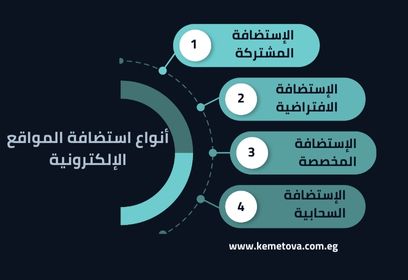
The right choice depends on the size and needs of your website, your performance requirements and your budget. Here are the main types of web hosting:
1. Shared hosting
Shared hosting is the most widely used and most affordable option for small and medium websites. With this type of hosting, many sites are stored on the same server and share its resources, such as the CPU and memory.
Shared hosting has these advantages:
- Low cost: it’s the cheapest option, which makes it ideal for people new to running websites.
- Easy to manage: it usually comes with an easy-to-use control panel.
Shared hosting also has some drawbacks:
- Limited performance: sharing resources can slow your site down if other sites on the same server use a lot of them.
- Having many sites on the same server can increase security risks for your site.
2. Virtual private server (VPS) hosting
VPS hosting sits between shared hosting and dedicated servers. A physical server is split into several virtual servers, and each one works as an independent server with its own dedicated resources.
VPS hosting has these advantages:
- Better performance: dedicated resources improve your website’s performance.
- More flexibility: you can configure the server settings to fit your site’s needs.
It also has some drawbacks:
- Higher cost: it costs more than shared hosting, though less than a dedicated server.
- It requires technical knowledge: you need some experience managing servers.
3. Dedicated hosting
With dedicated hosting, your website has a whole server to itself and doesn’t share it with any other site. This type suits large websites that need high performance and a high level of security.
Dedicated hosting offers:
- High performance: you get the most resources and the best performance.
- Stronger security: no resources are shared, which lowers the security risks for your website.
Dedicated hosting also has drawbacks:
- High cost: it’s the most expensive type of hosting.
- Complex management: it takes advanced technical knowledge to manage and maintain the server.
4. Cloud hosting
Cloud hosting runs on a network of connected virtual servers that work together to provide hosting services.
Cloud hosting has these advantages:
- It scales quickly to meet a growing website’s needs.
- Flexibility and scalability: you can add or reduce resources quickly, based on what your website needs.
- Reliability: because it uses a network of servers, the risk of downtime is lower.
The drawbacks of cloud hosting are:
- More complex management: setting up and managing cloud hosting can be a bit complicated.
- Variable cost: costs can change based on how many resources you use.
Why Web Hosting Matters
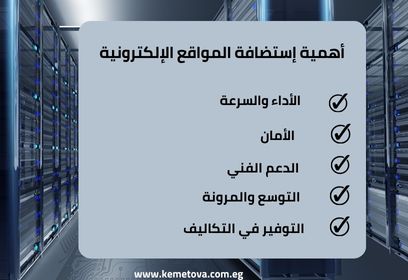
Web hosting plays a big role in the success of any website. It isn’t just about storing your site’s files; it covers many things that directly affect your site’s performance and user experience. Here’s why web hosting matters:
1. Performance and speed
Page load speed is one of the main factors in user experience. Strong web hosting means pages load fast, which keeps visitors happier and on your site for longer. Site speed plays a big part in lowering your bounce rate and raising your conversion rate.
Google and other search engines also consider site speed when ranking results, so fast sites rank better and are more likely to attract visitors. Good hosting helps make your site faster, which helps it rank higher in search results.
2. Security
Security and data protection are among the most important things hosting companies provide. They use advanced security protocols to protect your website’s data and your users from cyberattacks such as hacking and malware. Make sure your host has a good reputation and offers advanced security tools, such as an SSL certificate and firewalls.
Regular backups are another service hosting companies offer to protect your site’s data. If something goes wrong, such as data loss or the site going down, you can restore a backup of your site easily. This gives website owners an extra layer of security.
3. Technical support
Hosting companies provide full technical support around the clock to solve any technical problems website owners face. This support is especially important when something breaks and needs a quick fix to keep your site running.
Some hosting services also offer fully managed servers, meaning the provider takes care of maintaining and updating the servers. This lets website owners focus on their content and their business without worrying about the technical side.
4. Scalability and flexibility
Good hosting lets a website grow easily as traffic or needs increase. You can upgrade your hosting plan quickly to meet new requirements without any downtime, so you can keep up with your business as it grows without worrying about hosting limits.
Some types of hosting, such as cloud hosting and VPS hosting, let you allocate resources based on your site’s needs and size. That means you can request the memory, CPU and storage you need, which keeps your site performing at its best.
5. Cost savings
Some types of hosting, such as shared hosting, are an affordable solution for small and medium websites, because the cost of resources is split between several sites, which lowers the overall cost.
Even the more expensive types, such as dedicated hosting, can be cost-effective when you consider the performance, security and technical support they provide.
In general, investing in good web hosting can save you money in the long run by improving performance and reducing technical problems.
What Is a Domain Name?

Simply put, for your website to be online all the time and for people to find it among billions of sites, it needs a domain name.
A domain name is the unique address people use to reach your website, like your home address on the internet. It usually has two parts: the name and the extension, such as .com or .org.
Why Your Domain Name Matters
Your domain name matters for several reasons:
- It reflects your site’s identity and can be a powerful tool for introducing and marketing your site.
- It makes it easy for users and visitors to reach your website, if the name is easy to remember and say.
- A professional domain name builds your site’s credibility and users’ trust in it.
How to Choose the Right Domain Name for Your Website
Follow these tips to choose the right domain name for your site:
- Pick a simple, memorable name.
- Match your brand: the name should be connected to your brand or your site’s content.
- Avoid numbers and symbols, so the name doesn’t get complicated.
- Make sure the domain name isn’t already used by another site.
Once you’ve chosen a domain name and confirmed it’s available, find an accredited registrar and register it for a set period, usually one to three years.
You can order your domain name here and get the name you want easily.
With the right hosting and the right domain name, you can improve your site’s performance and security, and give users a better experience.
Web hosting and a domain name are the two essentials for building an effective online presence. Understanding the different types of hosting and choosing the right one, along with the right domain name, can make a huge difference to your website’s success.
You can order our web hosting service here, or get in touch, and a member of the Kemetova team will get back to you.