
Tourism is one of the largest and fastest-growing industries in the world, and it plays a vital role in many countries’ economies. As technology develops and more people plan trips and book travel services online, user experience in tourism website design has become essential to success. User experience (UX) is a key factor in how effective and appealing these websites are to visitors.
This article explains why user experience matters in tourism website design, and how to improve it for better results over the long term.
What Is User Experience in Tourism Website Design?

In today’s digital world, where users have plenty of choice, user experience (UX) in tourism website design matters more than ever. A well-designed website that’s easy to use and navigate doesn’t just attract users; it also increases the chances of turning them into paying customers.
User experience design covers every part of a user’s interaction with a company, its services and its products. In website design, UX is about ease of use, attractive design and smooth browsing, and presenting information in a clear, understandable way.
The main goal of user experience in tourism website design is to meet users’ needs effectively and leave them with a positive impression.
Why User Experience Matters in Tourism Website Design
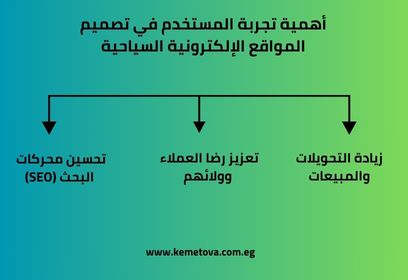
User experience matters in the design of any website, and especially in tourism websites. Here’s why:
- More conversions and sales
User experience has a big, direct effect on conversion rates and sales on tourism websites. When a tourism site is easy to use and offers a comfortable, enjoyable experience, users are more likely to complete their bookings and purchases.
Most studies show that tourism sites with good design and clear information can raise conversion rates significantly.
- Happier, more loyal customers
User experience plays a big part in customer satisfaction and loyalty. When users find that a site gives them a smooth experience and everything they need, they come back in the future and recommend it to others. That brings more visitors, strengthens the site’s reputation and builds lasting trust.
- Search engine optimization (SEO)
User experience in tourism website design plays an important role in SEO. Google and other search engines consider factors such as time on site, bounce rate and page load speed, and all of these depend on the quality of the user experience.
Tourism sites that offer a great user experience have a better chance of appearing at the top of search results, which brings more visitors to the site.
Key Ways to Improve User Experience on Tourism Websites
These are the key elements for improving user experience when designing and developing a website:
1. Attractive, simple design

A tourism website’s design should be attractive and reflect the brand’s visual identity. Consistent colors and high-quality photos help the site make a positive impression on users. The design should also be simple and easy to browse, so users can find the information they need quickly, without any complications.
2. Easy navigation
A website should be easy to browse, with clear menus and a logical structure. Today, users rely heavily on search tools to find what they want quickly and effectively.
One of the most useful tools for users is being able to find the information they need by typing a single word. This keeps users coming back to your site, especially when they’re looking for something they think your site can easily give them. That’s why it’s essential to make sure your tourism site has an effective search bar when you design the user experience.
So how do you get the right search bar for your tourism website? There are two ways:
- Use a free search bar: you can add a free internal search engine that only returns results from your own site. This option is simple and easy to set up.
- Build a custom internal search engine: the more professional option is to ask your web design company to build a search bar that shows results from your own pages and articles only, ignoring outside pages that might match the search terms. This gives you accurate results that fit what users need.
Adding a search bar and improving the user experience makes your tourism site more appealing and easier to browse, so users stay longer and are more likely to become customers.
3. Page load speed
Site speed is one of the biggest factors in the quality of the user experience on a tourism website. Fast page loads matter for every kind of website, but how much they matter depends on the type of site.
In some cases, you don’t need to spend a lot to make your site extremely fast, especially if it has heavy content such as photos and videos. Reasonable speed can be good enough.
It’s important to match your site’s speed to its type and your users’ needs. Moderate speed can be enough for a comfortable user experience on some sites, without over-optimizing speed beyond what’s necessary.
So what page load speed should you aim for on a tourism website?
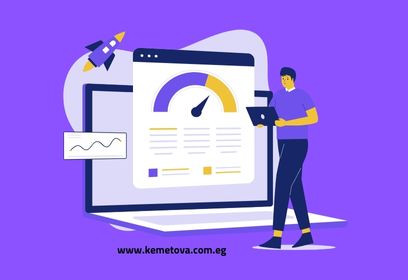
When designing the user experience for a tourism website, it helps to know the ideal page load time. There’s no single ideal for everyone, but there are rough benchmarks you can use to improve performance:
- Maximum acceptable: your site shouldn’t take longer than 4.99 seconds to load. By the fifth second, it should be visible and ready to browse. At that speed, your site is faster than 25% of websites.
- Good: if your site loads fully in 2.9 seconds, it’s faster than 50% of other websites.
- Excellent: a load time of 1.7 seconds means your site beats 75% of other websites.
- Outstanding: if your site loads in just 0.8 seconds, it’s faster than 94% of websites worldwide.
The shorter your load time, the better the user experience, so aim for the shortest time you can to stay ahead of competitors and give users a smooth, comfortable experience.
Studies show that users tend to leave sites that take a long time to load. To keep load times short, optimize your images, use caching and compress your files.
4. Valuable content
A tourism website needs rich, useful content that meets users’ needs. Information to include on a tourism site:
- Information about destinations and attractions.
- Available activities.
- Tips and advice.
- Ratings and reviews.
Ratings and reviews are a key part of user experience in website design, and all content should be up to date and reliable to give users the best possible experience.
5. Mobile-responsive design
More and more people use smartphones and tablets to plan trips and book travel services, so a tourism website has to be responsive on every type of device.
Responsive design makes sure your tourism site looks good and works well on small screens as well as large ones.
6. Interaction and instant support
Offering ways to interact and get help right away, such as live chat and customer service, can greatly improve the user experience on tourism websites. When users can get instant answers to their questions, it builds their trust and makes them more likely to complete transactions on the site.
One example of great user experience on a tourism website is Booking.com. Its design is simple and easy to use, and it offers many filters and internal search tools that help users find deals that fit their needs. It also shows ratings and reviews from other users, which helps people make good decisions.
In short, user experience in tourism website design plays a central role in a site’s long-term success. An attractive, easy-to-use design, fast load times, valuable content and mobile compatibility can all greatly improve a site’s user experience.
Using modern tools and techniques to analyze user behavior and improve internal search can also help deliver an outstanding user experience.
In the end, investing in the user experience of a tourism website pays off in more conversions, happier customers and better SEO, all of which help tourism websites succeed.
If you have questions about tourism website design, get in touch with Kemetova, and a member of our team will get back to you.