
Do you have a small business and want to increase your sales? Do you know what makes successful product-selling websites work, and want one of your own?
In today’s digital age, a website for selling products has become essential for any small business owner who wants to increase sales and reach more customers. But success doesn’t come from just creating a site; it comes from designing it in a way that improves the user experience and attracts customers effectively.
In this complete guide, we’ll look at the most important secrets of designing a successful website for selling products, focusing on the core features that improve performance and attract customers.
Why Does a Website for Selling Products Matter?
The internet is now the first place customers go to look for products and services. For small businesses, a website is a complete platform for showing products, communicating with customers and increasing sales. And thanks to modern technology, small business owners can now build great websites on flexible platforms at reasonable prices.
For large companies and small businesses alike, a website for selling products makes it easier to reach your target audience faster, along with several other benefits:
- Customers get to know your business’s brand.
- You sell more products, which increases your profits.
- A website for selling products builds customers’ trust in your products, which helps you build a large audience that knows all about what your business offers, and that does a lot to increase sales.
- Marketing and promoting your products gets easier, as more customers prefer to order products online instead of going to stores.
- You can track and analyze demand for your products and stock more of what customers want. A website for selling products helps you see which products customers search for most, and understand what they want by analyzing how they browse the site and which products they look at. This helps you define your target groups precisely and improve your sales strategies.
Learn why target audience analysis matters for your site’s success and return on investment.
The Key Features of Successful Product-Selling Websites
A successful website for selling products starts with understanding customers’ needs and giving them an enjoyable, easy shopping experience. Here are the key features every successful product-selling website has:
Easy browsing and navigation
When designing a website for selling products, keep the design simple and organized, so users and visitors can find the products they’re looking for easily. Use clear menus that group products into main categories and subcategories.
It’s also important to add advanced search, so customers can find the products they want quickly.
An attractive design that works on every device

An attractive design that fits your brand identity plays a big role in attracting customers. But it isn’t only about looks; your website needs to be responsive on every device and screen, which means it should work well on mobile phones, tablets and computers.
Use a consistent set of fonts and colors that fit the nature of your products. Learn why color psychology matters in web design so you can use color effectively.
Tailored product pages and attractive product displays
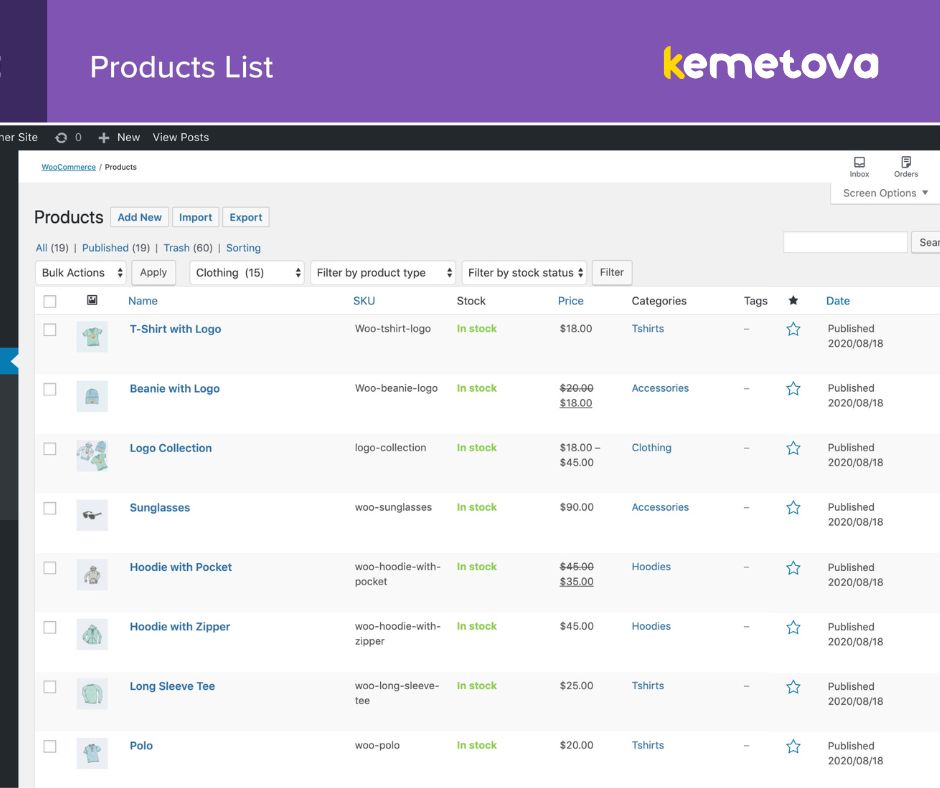
One of the key features of successful product-selling websites is tailored product pages with attractive, high-quality photos that show products from different angles to help customers decide to buy. Along with attractive photos, write an accurate, complete description of each product that explains its features, specifications and how to use it. Here’s an image showing how to add products with the WooCommerce plugin for WordPress:
Easy, secure checkout and payment
Successful online stores make buying smooth and cut the steps needed to complete an order. They support a variety of payment options, such as credit cards, PayPal and cash on delivery, to suit different customers’ preferences. Use secure, trusted payment gateways to protect customers’ financial data.
Learn about the best payment gateways in Egypt for online stores.
Flexible, fast shipping
A website for selling products should offer a range of shipping options to meet different customers’ needs, such as express or free shipping, along with shipment tracking to reduce customers’ worries, which helps give them a positive experience with the site.
A customer reviews section
A section for past customers’ reviews helps new visitors learn about other people’s experiences with your products, which increases their trust in the site. Also show your warranties and return policies clearly and transparently, and offer effective ways to get in touch, whether through live chat or phone numbers.
A better user experience (UX)
Improve your site’s interface for a better user experience by making pages load faster, compressing your files and using fast, secure hosting. A successful online store performs quickly, which lowers bounce rates and gives users a better experience.
Design an easy-to-use interface with clear buttons and simple instructions, add a search bar so people can find products faster, and make account registration smooth to attract new customers.
Improve your content with clear, attractive headings and useful information about your products. All of this helps give users the best experience.
Effective customer service
Offer effective customer support, available 24 hours a day through various channels, such as email, phone and live chat. Replying quickly to customers’ questions and solving their problems does a lot to build trust and brand loyalty.
Adapting to the market and customers’ needs
Successful product-selling websites update their sites regularly, adding new products and running promotions, and tailor products and offers based on customers’ preferences and behavior.
One of the most important things successful product-selling websites do is combine professional design with an enjoyable experience, creating a platform that makes shopping easy and increases customer satisfaction and trust. These features are the foundation of a website for selling products and help you succeed in ecommerce over the long term.
Steps to Designing a Website for Selling Products
When designing a website for selling products, follow these steps to build a successful site:
- Define your site’s goals and target audience
Before you start, define your site’s main goals, whether that’s increasing sales or building brand loyalty, then analyze your target audience to understand their needs and preferences.
- Choose the right platform
Many platforms make it easy to build a website for selling products, such as Shopify and WooCommerce, a free, open-source plugin for WordPress built specifically for ecommerce websites. The right platform depends on your budget and how many products you sell.
- Design an attractive, easy-to-use interface
Use a simple, organized design that helps attract customers, and focus on improving the user experience (UX) with clear buttons and easy menus so people can find products faster.
- Add and customize your core pages
First, design your homepage to highlight your main offers and products. Next, design your product pages to show all your products clearly and neatly, with a description of each one. Finally, add a contact page so customers can reach you easily.
- Integrate payment and shipping
Once your pages are designed and all your products are added, there’s another important step: make sure your store is integrated with secure payment gateways, such as PayPal, and multiple shipping options that suit all your customers.
There are also some mistakes to avoid when designing a website for selling products:
- A cluttered design that overwhelms visitors and makes the site hard to browse.
- Neglecting the user experience (UX), which loses visitors.
- Ignoring SEO, which you need to attract visitors organically.
Learn about the most common ecommerce mistakes so you can avoid them.
How to Attract Customers Through Your Website
You can attract customers through your website in several ways:
Once your website is built, use your target keywords naturally across its pages, and optimize your page titles and meta descriptions with keywords that describe each page’s content. This helps your site rank in search engines.
For example, the keywords we target for our online store design services are “website to sell products” and “create an online store.”
- Attractive promotions
Popular online stores offer special discounts or coupons for new customers, or free shipping on large orders, which helps increase sales.
- Social media marketing
Most ecommerce websites run paid ads on social media platforms such as Facebook and Instagram, and share engaging content to increase customer engagement, attract a bigger audience and increase sales.
- Promotional emails
Many websites that sell products use email to announce offers and promote new products. Learn why email marketing matters for your business’s success.
Use Analytics Tools to Improve Your Site’s Performance
It isn’t enough just to build a website for selling products; you also need analytics to improve its overall performance, such as:
- Google Analytics, which helps you analyze visitor behavior and understand how people use your site, with accurate data on your most-visited pages and conversion rates (CRO), so you can improve your site’s overall performance.
- Speed tools such as GTmetrix and PageSpeed Insights to improve your load times.
- Analyzing customer reviews and comments to improve product quality and the shopping experience on your site.
Building a successful website for selling products isn’t complicated if you plan it properly. By focusing on the user experience (UX), offering great shipping and payment options and marketing your site effectively, small businesses can reach their business goals easily.
What are you waiting for? Start turning your business idea into a successful online reality now. If you have any questions about designing a website for selling products, get in touch with the Kemetova team. We offer high-quality website and online store design services.